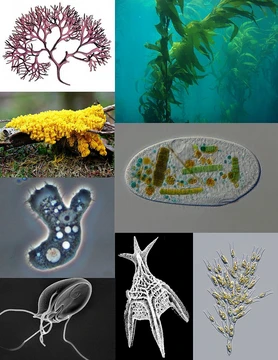
Oomycete
Fungus-like eukaryotic pathogens within the Stramenopiles.

The oomycetes (Oomycota) are a distinct phylogenetic lineage of fungus-like eukaryotic microorganisms within the Stramenopiles. They are filamentous and heterotrophic, reproducing both sexually and asexually, and occupy saprophytic and pathogenic lifestyles. Oomycetes include some of the most notorious plant pathogens, causing devastating diseases such as late blight of potato and sudden oak death, though one species, Pythium oligandrum, is used for biocontrol. They are often referred to as water molds, though most species are terrestrial pathogens.
- field
- Microbiology, Plant Pathology
- known_for
- Causing late blight of potato and sudden oak death; mycoparasite Pythium oligandrum used for biocontrol
- classification
- Stramenopiles (formerly grouped with fungi)
- reproduction
- Sexual (oospores) and asexual (chlamydospores, sporangia, zoospores)
- habitat
- Saprophytic and pathogenic; most species are terrestrial pathogens
Lore & Background
Oomycetes were originally grouped with fungi due to similarities in morphology and lifestyle, but molecular and phylogenetic studies revealed significant differences, leading to their reclassification within the Stramenopiles, which include some types of algae. Their cell walls are composed of cellulose rather than chitin, they have diploid nuclei in the vegetative state, and most produce motile zoospores with two flagella—one whiplash and one tinsel—the latter unique to the Heterokonta. Their mitochondrial cristae are tubular, unlike the flattened cristae of fungi. Sexual reproduction involves contact between hyphae of male antheridia and female oogonia, producing oospores that can overwinter as resting spores. Asexual reproduction forms chlamydospores and sporangia, which release motile zoospores capable of chemotaxis. The name 'Oomycota' comes from Greek for 'egg fungus,' referring to the large round oogonia. The sparse fossil record includes a possible oomycete described in Cretaceous amber.
Reader's Guide
Oomycetes are significant as aggressive pathogens of plants and algae, with major economic impact. The Phytophthora group causes late blight in potatoes—the cause of the Great Famine of the 1840s in Ireland and other parts of Europe—as well as sudden oak death and ink disease in European chestnut. The Pythium group includes species that cause damping off in greenhouses and the mammalian pathogen Pythium insidiosum. Downy mildews and white blister rusts (Albuginales) are obligate biotrophs that cause distinctive diseases on flowering plants. Despite their destructive potential, some oomycetes like Pythium oligandrum are used as biocontrol agents against plant pathogenic fungi. Their reclassification from fungi to Stramenopiles, based on molecular and ultrastructural evidence, has reshaped understanding of eukaryotic evolution and pathogen biology.
Did You Know?
- Oomycetes are also called water molds, though most species are terrestrial pathogens.
- The name 'Oomycota' means 'egg fungus,' referring to the large round oogonia containing female gametes.
- One oomycete, Pythium oligandrum, is used for biocontrol, attacking plant pathogenic fungi.
- A possible oomycete has been described in amber from the Cretaceous.
Frequently Asked Questions
What is Oomycete?
Oomycete is a lineage of filamentous, fungus-like eukaryotic microorganisms placed within the Stramenopiles supergroup rather than the true fungi. They are heterotrophic, meaning they must consume organic matter or living tissue to survive, and they build their cell walls from cellulose instead of chitin.
What are Oomycete's powers and role?
Oomycetes can reproduce sexually via thick-walled oospores or asexually through sporangia, chlamydospores, and free-swimming flagellated zoospores. Ecologically they fill two niches: saprophytic decomposers on dead organic material and aggressive plant pathogens that invade living tissue.
How does Oomycete's story end?
As a pathogen, an oomycete infection can wipe out whole potato fields (late blight) or kill mature oak trees (sudden oak death), but the organism itself persists by shedding massive numbers of spores into the environment. The lifecycle simply resets: spores germinate, hyphae grow, and the next infection cycle begins.
Why is Oomycete important?
Oomycetes sit behind some of the most catastrophic crop failures and forest die-offs in agricultural and ecological history, making them a major concern in plant pathology. On the beneficial side, the mycoparasite Pythium oligandrum is cultivated as a biocontrol agent to suppress other harmful soil-borne pathogens.
Are Oomycetes actually fungi?
No—although they were once grouped with fungi, modern phylogenetics places them firmly in the Stramenopiles, a protist lineage. Key giveaways include their cellulose-based cell walls and the production of motile, two-flagellated zoospores, neither of which occurs in true fungi.
More in Algae And Protists 1-24
Spotted an error? Know more?
This is a living reference — every entry is fact-audited, and reader corrections feed straight into our audit queue. Suggest an edit · See this site's audit record